
Integration

Now the work begins
Integration is the process of allowing what emerged during the ceremony to take root in everyday life. While the journey itself may be intense, symbolic, or difficult to articulate, integration unfolds more quietly—through attention, reflection, and how you relate to yourself and others in the days and weeks that follow.
During our in-person post-ceremony integration, you named a clear takeaway from your journey: a concise declaration, spoken with conviction, of how you intend to show up differently in the world going forward. This takeaway is not meant to be abstract or intellectual. It is designed to be simple, memorable, and imbued with the energy of the transformation that occurred—something you can return to as a reference point when life pulls you back into old patterns.
Between ceremonies, the work continues through observation rather than force. Old habits, emotional reactions, or familiar thought loops may surface more clearly as awareness deepens. This is not a sign that something is wrong, but that unconscious material is becoming visible. In these moments, your declared takeaway serves as a compass—reminding you how to orient back toward your true self with responsibility and choice, rather than judgment or urgency to fix.
Insight often continues to unfold gradually. Meaning is not always immediate, and forcing interpretation too quickly can flatten the experience. Integration favors patience, allowing understanding to mature as the nervous system settles and the subconscious reorganizes. Practices such as journaling, time in nature, rest, and honest self-reflection can help keep the channel open.
Equally important is how insight translates into behavior. Integration lives in small, daily choices: clearer boundaries, different responses, increased self-honesty, or a softened relationship to fear. These shifts may feel subtle, but they are cumulative—and it is here, between ceremonies, that the deeper work of ontological evolution takes place.
The goal is not to remain in a heightened state, but to bring awareness into ordinary moments. Each ceremony builds upon the last not through repetition, but through your growing capacity to remember who you are—and to choose, again and again, to live from that place.
Post-Ceremony Recovery
The journey is a profound physical, energetic, emotional, and psychological experience—think of it as surgery for the soul. And just as physical surgery requires thoughtful recovery, post-ceremony self-care deserves the same level of intention, patience, and tenderness. Below are guidelines for recovery in the days and weeks ahead.
Physical
Physically, the journey can be deeply demanding on the body. In the hours and days that follow, prioritize hydration, rest, and gentle care. Drink plenty of water, eat a clean, protein-rich meal to support recovery, and allow yourself to sleep deeply the night after the ceremony and the day that follows.
On the night you return home, an Epsom salt bath can be especially supportive—helping relax muscles, calm the nervous system, and signal the body that it is safe to rest. Soft lighting, soothing music, and minimal stimulation further support this settling process. Take 500mg of 5-HTP before bed and the day following your return home, as it supports serotonin production, which can help stabilize mood and support restful sleep as the nervous system recalibrates.
In the week that follows, move the body gently. Practices such as walking, yoga, stretching, sound baths, or time in the sauna can support circulation and integration without overstimulation. Avoid intense exercise or highly stimulating environments. Think of this period as physical recovery—allowing the body to catch up with the depth of work that has taken place and return to balance at its own pace.
Energetic
In the days following the ceremony, prioritize rest. Give yourself space and extend yourself grace. Your energy-body has undergone a significant shift, and it takes time to settle. The experience can be understood much like a birth: a moment of profound expansion followed by a necessary period of contraction and recovery, as the system reorganizes itself.
You may notice that the openness or lightness felt immediately after the journey temporarily gives way to more familiar or constrictive patterns. If this happens, simply breathe and allow it to pass without reacting or attaching meaning to negative thoughts. Just as the body contracts after birth, the psyche consolidates after expansion. This is a natural and important part of integration.
As your system returns toward equilibrium, it often settles into a new baseline of awareness. Like a rubber band that has been stretched and snaps back, old conditioning may return—but typically with less tension and rigidity than before.
In the weeks that follow, remain open and attentive. Insight often arrives gradually, through spontaneous realizations, moments of clarity, or subtle shifts in perspective.
Emotional & Psychological
Emotionally and psychologically, the period immediately following the journey is especially sensitive. In the days after ceremony, neuroplasticity is heightened and the psyche is more open and impressionable. For this reason, it’s important to be mindful of what you take in and who you share space with. Avoid consuming inflammatory or distressing content such as news cycles, true-crime or violent media, or mindless social media scrolling. Instead, treat this window as sacred—nourish yourself with uplifting, thoughtful material, quiet reflection, and supportive environments. You’re encouraged to explore the recommended books and resources in our library as a way of tending this openness with care.
You may also feel an urge to talk about your experience immediately and in detail. While sharing can be meaningful, some aspects of a journey are best held privately or shared only with those who can meet them with depth and reverence. Speaking too quickly or too widely about powerful imagery or emotional insight can dilute its potency. Trust your intuition about what wants to be spoken—and what wants to remain protected as it continues to unfold.
In the days that follow, small changes can help support integration. Gently disrupting routine—taking a different route, slowing your pace, or making new choices—can reinforce the psychological flexibility that has opened. Emotionally and psychologically, old patterns or familiar reactions may still arise, but often with more visibility and less grip. This is not a setback; it’s part of the psyche reorganizing itself. Approaching this period with curiosity, restraint, and compassion allows insight to integrate naturally, without force or overwhelm.
Supportive reading
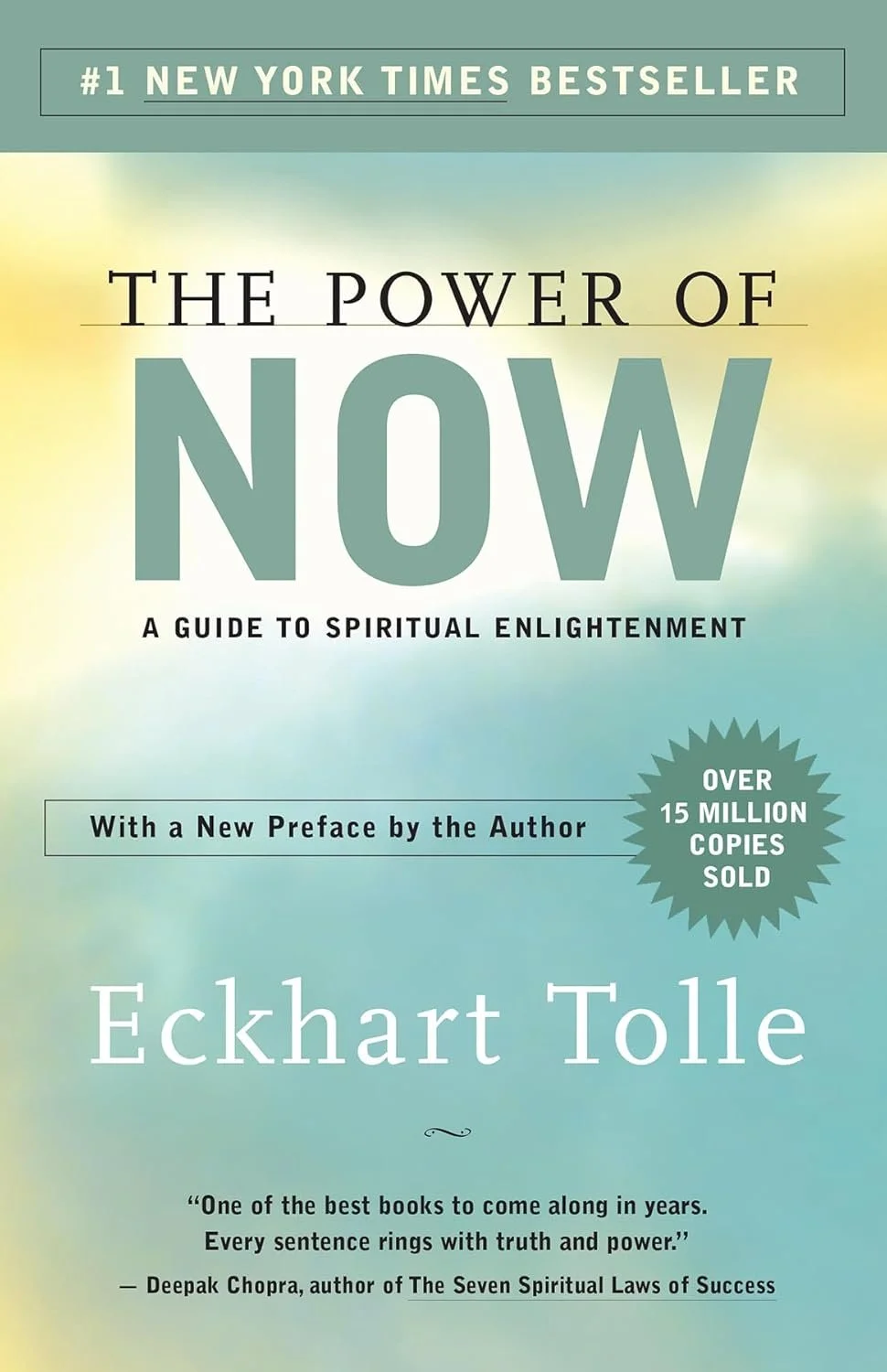
Spiritual teacher Eckhart Tolle offers a clear and direct teaching on presence as the gateway to freedom from psychological suffering. Through simple language and practical pointers, the book explores how identification with thought and time creates distress, and how returning attention to the present moment allows deeper peace, clarity, and aliveness to emerge. Rather than offering beliefs, Tolle points readers toward a lived experience of awareness itself.
Why It’s Relevant 🌿
Plant medicine often brings people into profound states of presence where thought quiets and direct knowing becomes available. The Power of Now provides a way to stabilize and integrate those glimpses—helping practitioners recognize presence in ordinary moments and anchor expanded awareness into daily life.
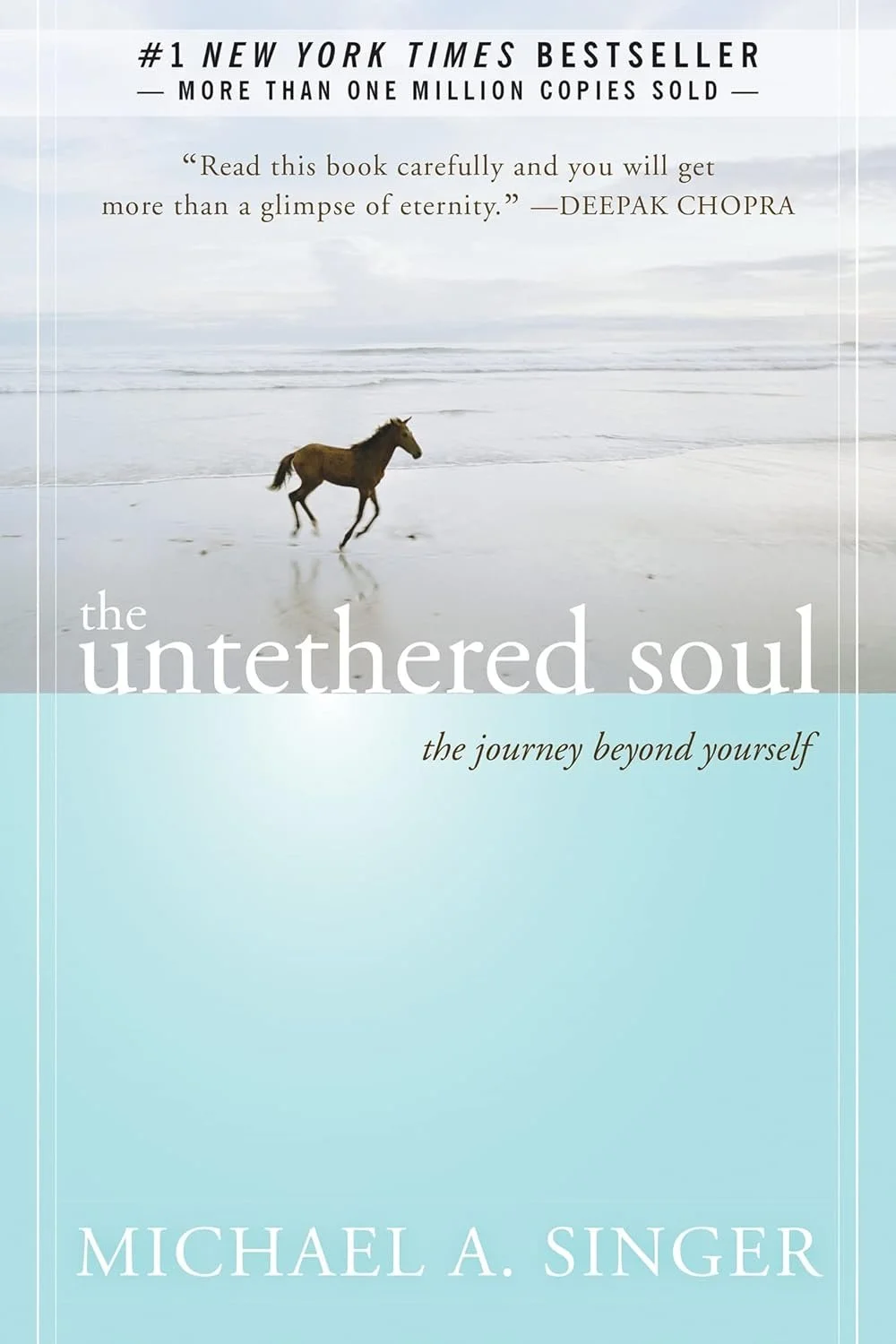
Michael Alan Singer explores the nature of consciousness by inviting readers to step back from the habitual inner voice and observe thoughts, emotions, and sensations without identification. Through clear metaphors and experiential inquiry, the book reveals how clinging to personal stories creates suffering—and how freedom emerges when awareness is allowed to rest as the witness rather than the narrator of experience.
Why It’s Relevant 🌿
Plant medicine often opens a direct experience of consciousness beyond the personal self. The Untethered Soul offers a map for understanding and integrating that shift—helping readers relate differently to inner experience, release attachment to mental patterns, and sustain a sense of spaciousness and ease after ceremony.
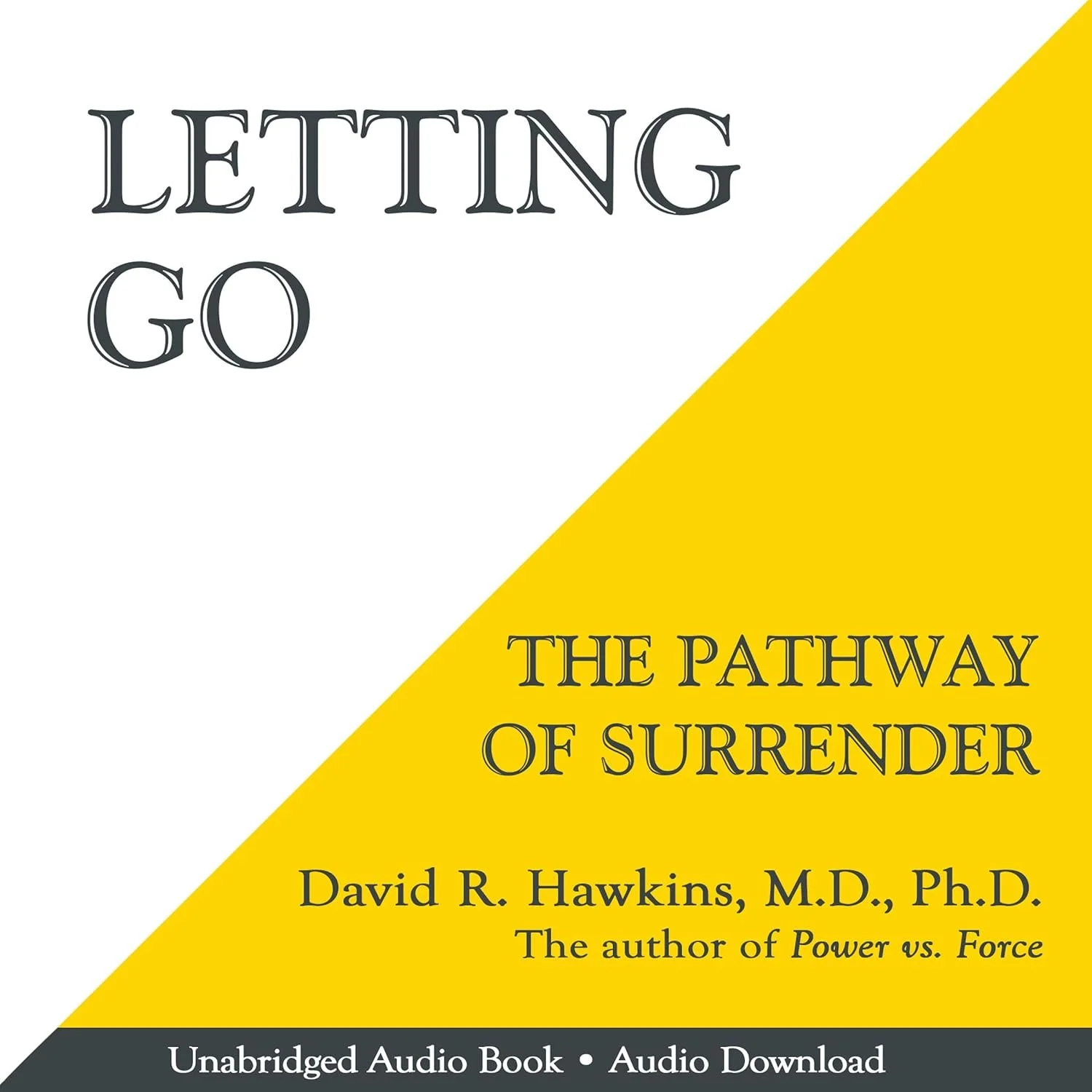
Psychiatrist and spiritual teacher David R. Hawkins presents a practical framework for releasing emotional patterns by allowing feelings to arise fully without resistance. Rather than suppressing or analyzing emotions, Letting Go emphasizes surrendering identification with them—revealing how fear, grief, anger, and desire dissolve when met with awareness. The book blends clinical insight with spiritual philosophy to offer a simple but demanding practice of emotional honesty.
Why it’s relevant 🌿
Plant medicine journeys often surface intense emotional material that cannot be “fixed” through thought alone. Letting Go provides a grounded integration practice for working with what arises—supporting emotional regulation, nervous system settling, and the ongoing release of stored patterns uncovered in altered states.
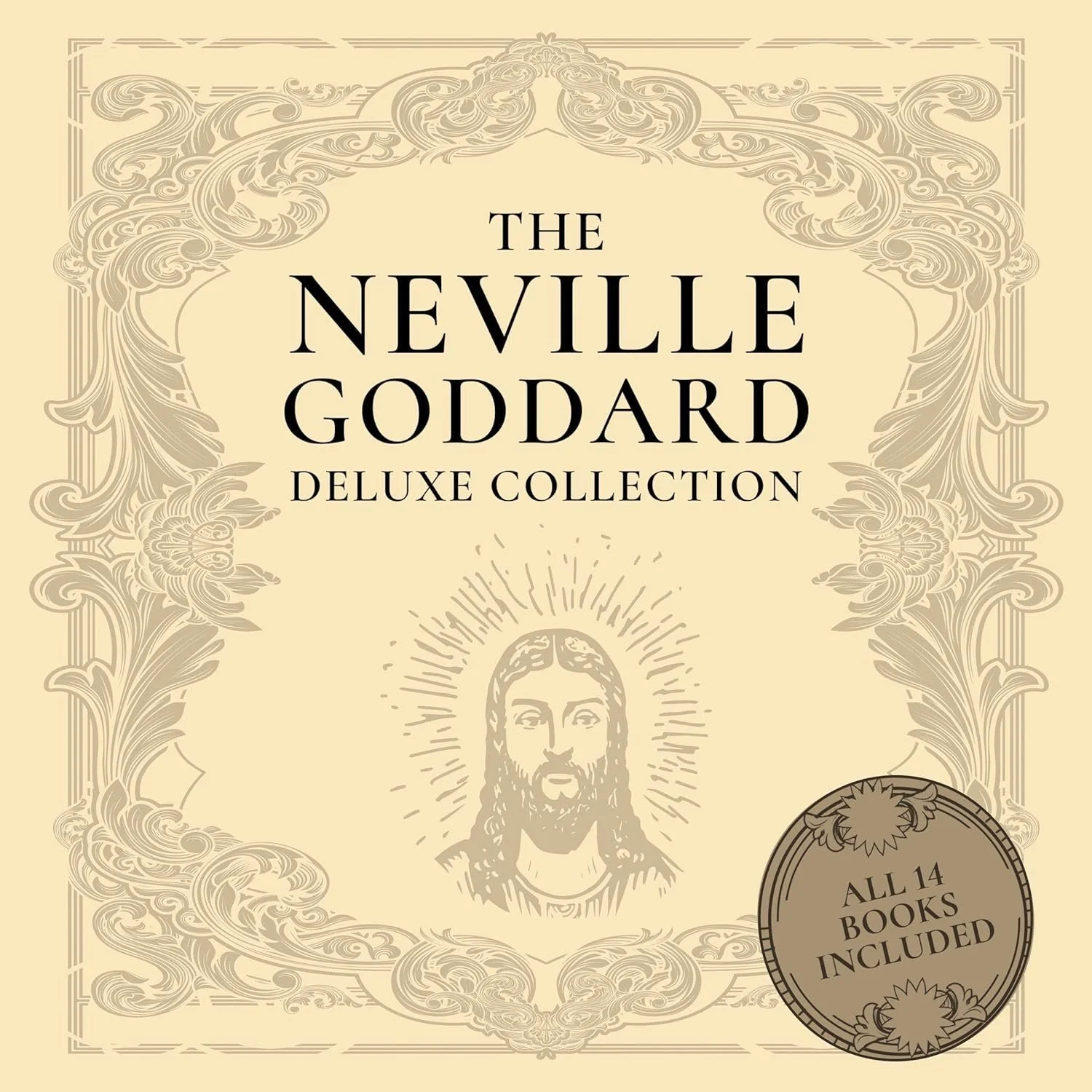
Written by Neville Goddard, this collection brings together his core teachings on imagination, consciousness, and the creative power of assumption. Goddard’s work centers on the idea that inner states precede and shape outer experience, emphasizing feeling, belief, and embodied expectation as the mechanisms through which reality is expressed. The writings are experiential rather than theoretical, inviting readers to test the principles through lived practice.
Why It’s Relevant 🌿
Plant medicine often reveals the primacy of consciousness and the felt sense that inner reality shapes outer life. The Neville Goddard Deluxe Collection supports integration by offering a framework for working intentionally with imagination and belief—helping practitioners stabilize insight, align intention, and translate expanded awareness into daily lived experience.
One-on-One Integration
Sometimes, further integration is supportive. If you’d like to book time with one of our facilitators, you can do so below.